
I'm a simple emigrant and I like to look around
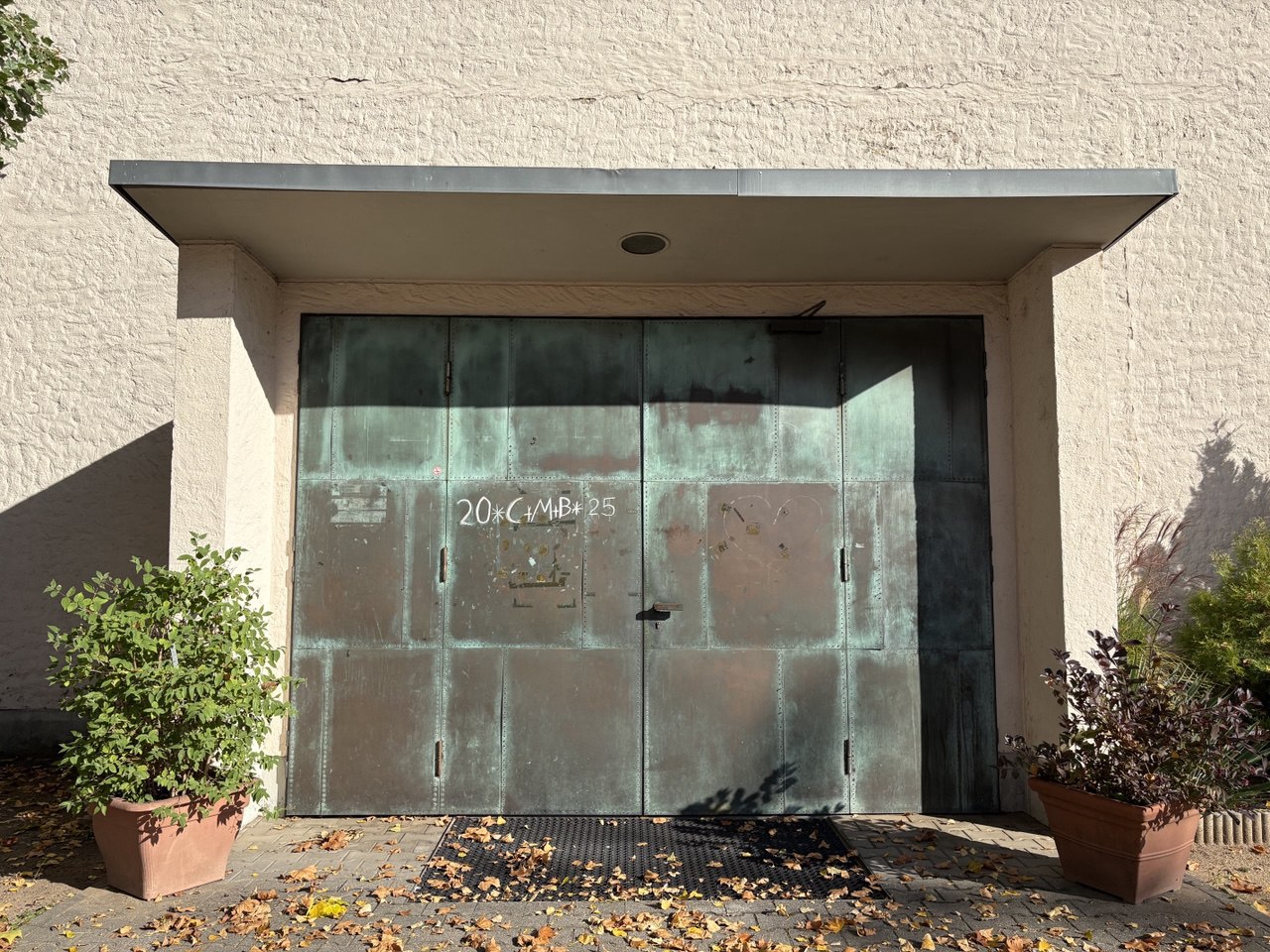
In Germany, it is quite common to see identical inscriptions on the doors of houses, usually made with chalk. They look like a strange mathematical equation: some letters, numbers, and symbols, but no equals sign. It turns out that this is not a formula at all, but a Christian home blessing for the feast of Heilige Drei Könige or Epiphany. It is connected to the gospel story of the three Magi who came to the infant Jesus with gifts. In early January, children, most often at Catholic parishes, go from house to house, sing songs, wish blessings, and collect donations. They are called Sternsinger, “star singers.” It is they who write this inscription in chalk above the door. It looks roughly like this: 20 * C + M + B + 25. The numbers denote the year, here 2025. And the letters are traditionally taken as the first letters of the Magi’s names: Caspar, Melchior, Balthasar. But the official version of the Catholic Church explains them as the Latin phrase Christus Mansionem Benedicat — “May Christ bless this house.” Even the symbols aren’t random, meant to connect everything: the plus signs are crosses as blessings in the name of the Father, the Son, and the Holy Spirit, and the multiplication sign is actually a star that the Magi followed to Bethlehem, and at the same time a symbol of Christ. The practice of blessing doors itself appeared long before children with stars began going door-to-door. People have always sought ways to protect their home and mark it as “their own.” It reminds me of our horseshoe above the door, though it’s not of religious origin. Mostly, this inscription is left up for the whole year, and sometimes longer. So don’t be surprised to see it in the summer. And don’t confuse it with burglars’ marks — this certainly won’t bring anything good into the house. Have you noticed such inscriptions? #holidays #history