
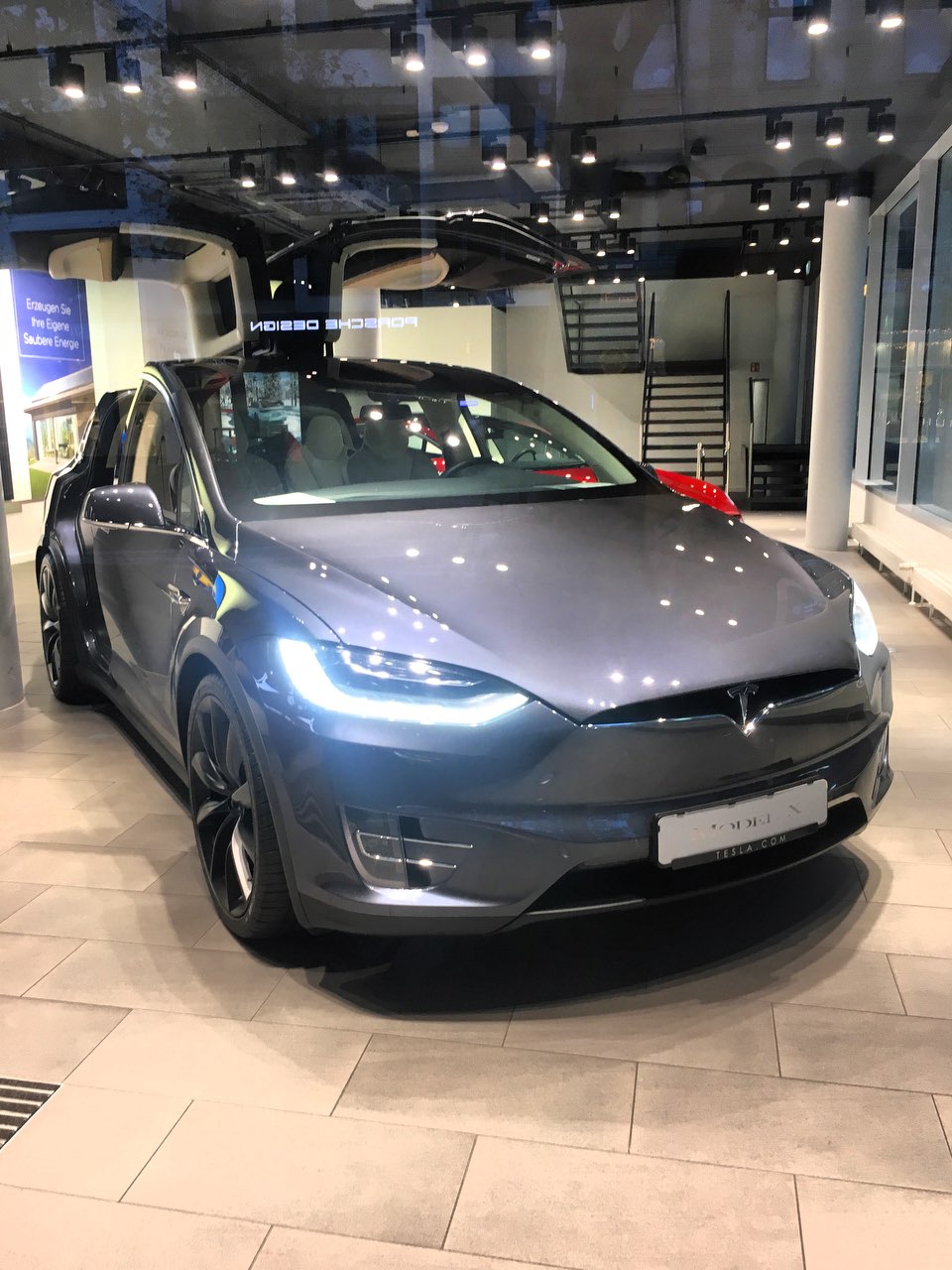
I'm a simple emigrant and I don't have a personal car
In Tyumen, his need was keenly felt, but friends could always help, the majority of whom had cars, though more often taxis, since it is inexpensive here. In Germany, on the other hand, everything is the opposite: the city is laid out in such a way that it is not worthwhile for you to drive a car; it is much more practical and faster to walk, ride a bicycle, or use public transport. The latter, by the way, operates around the clock, of course; in the evening the intervals between services become about 15 minutes, and at night up to 40, but, you must admit, in cold Siberia you sometimes can stand at the stop until you turn blue even in normal times. Here at least waiting is comfortable. Of course, the choice of transport is influenced by financial factors as well. However, with excellent roads, traffic (for example, the presence of one-way streets) is designed in such a way that I, for example, would spend exactly the same amount of time getting to work on foot or by car — and by tram it would be half as much. Thus it turns out that people, even having a car here, still prefer to use it only when they need to go to several places before or after work or for long trips.