
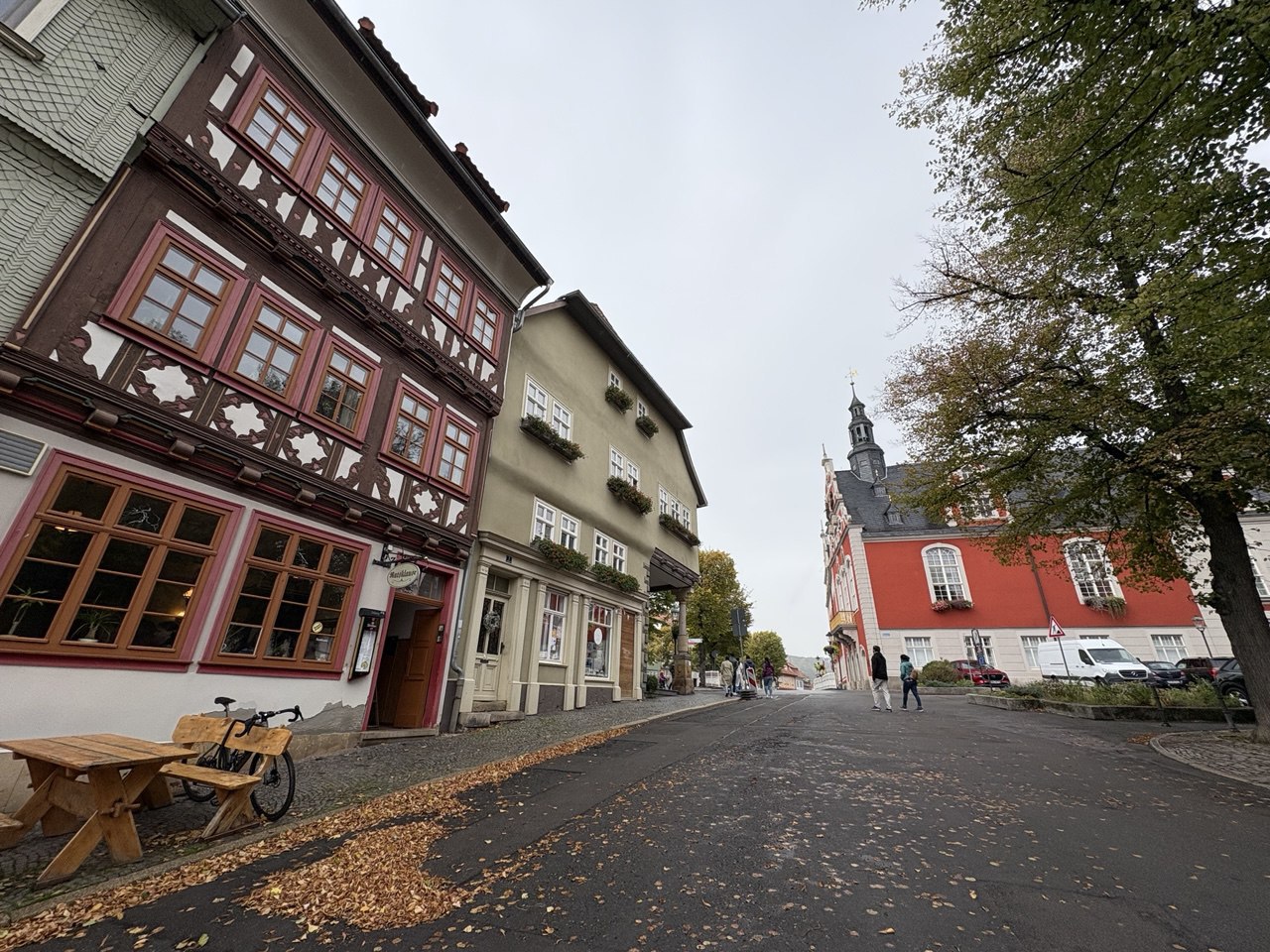
I'm a simple emigrant and I spent German Unity Day in eastern Germany
Every year on October 3, Germany celebrates Tag der Deutschen Einheit — the Day of German Unity. This is the only holiday codified exactly by federal law. After World War II, Germany was divided into two countries — the FRG and the GDR. The borders were the postwar administrative lines drawn by the Allies. At first, you could still travel across them. But then so many people left from the GDR to the FRG that the East German authorities, as is usually the case, instead of improving living conditions, decided to close themselves off. Thus in 1961 the Berlin Wall with barbed wire, guards, and orders to shoot was erected. Out of greed and stupidity, the wall was placed exactly along the lines that had once been drawn on the map. Right in the middle of streets, houses and bridges. Families, neighbors, friends found themselves in different countries, but who cared? For almost thirty years people lived like that, until in 1989 the wall finally fell. And already in the following year the FRG and the GDR signed the Unification Treaty and again became one country. It was a moment when thousands of people for the first time in decades could hug each other without fear. But unification in practice was not the easiest task. They even argued about the anthem. The opening lines of the old “Deutschland, Deutschland über alles” (Germany above all) sounded too heavy due to associations with the Nazi past. Therefore they decided to keep only the third stanza — the one that begins with the words “Einigkeit und Recht und Freiheit” — unity, justice and freedom. These words became the formula of the new German identity. Every year another federal state takes over the celebration. This year the official ceremony with the participation of the president, the chancellor and members of the government was in Magdeburg. Stores are closed on this day; in the cities there are concerts, street fairs, exhibitions and thematic excursions. At gatherings people often raise topics about the differences between the East and the West, about how Germany still “grows together.” I learned just yesterday that eastern Germans also pay the solidarity tax, if anything; not all Germans know this. And in general in East Germany it's great and this holiday feels especially meaningful. People remember the changes because they experienced them themselves. For them this is almost always part of their personal history. #holidays #history