
I'm a simple emigrant and I will tell about psychological and psychiatric help in Germany
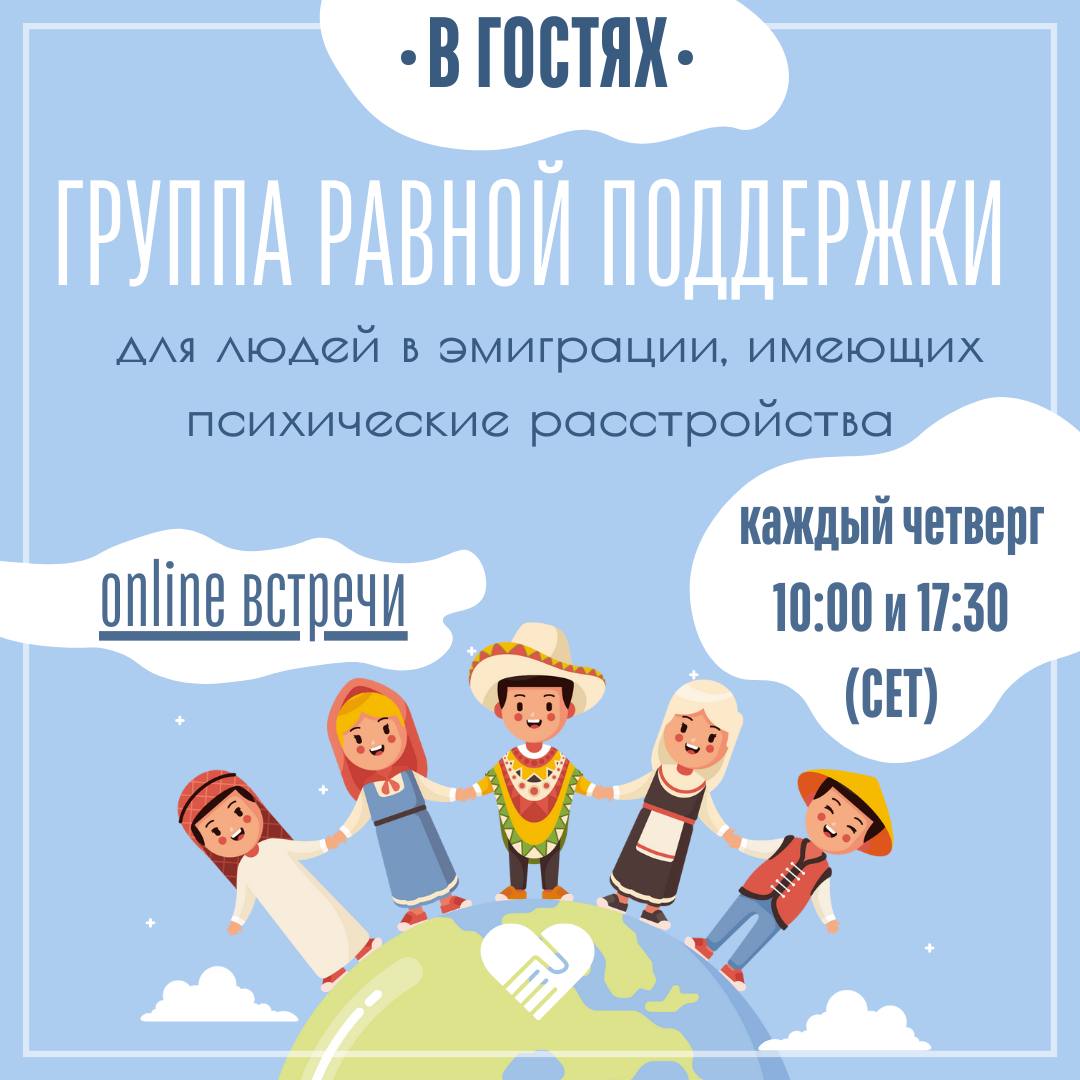
This is a guest post, written by the girls from the project «Visiting», and I helped a little. A recent study in Frontiers in Psychiatry showed that stress related to moving and all that it entails closely correlates with symptoms of depression and somatization among migrants in Germany. The European Journal of Public Health also confirms this: mental health problems are more common among migrants and ethnic minorities, especially where there is discrimination or difficulties accessing medical care. The availability of psychological help in Germany is, to be frank, not great. Finding your own specialist is already a challenge, and here it can take years. If the condition isn't critical, it all starts with a GP (Hausarzt). He will check your health, give a referral to a psychiatrist or psychotherapist, and help you navigate the system. Sometimes it's easier to search for a psychotherapist online right away: Doctolib or Jameda, filtering by insurance. Online consultations are also available. Emergency care is provided by a hospital's Notaufnahme, where there is a psychiatric department. If there is a serious risk to health, it's best to call 112 immediately; they will tell you where the nearest suitable hospital is. In other cases you can call 116 117 or look up an emergency hospital yourself on this or this sites. There is also an anonymous helpline at 116 123 or via chat. To avoid being left alone with your problems while you wait for professional help, you can turn to additional centers. Here are a couple of them: — WeCare (Medical Volunteers International) — online‑consultations in several languages; — Psychosoziale Zentren (PSZ, BAfF) — psychosocial centers across Germany; — IPSO Care — projects of psychological help for refugees. The good thing is: in Germany a psychiatric diagnosis remains private medical information and is not shared without the person's consent, and any restrictions, for example on driving, arise only if there is a real risk to safety. Another form of self-help is peer support groups. There, people share experiences, support each other, and discuss how to cope with symptoms. Such groups are clinically recommended as part of recovery. Typically, these groups are attended by people with a confirmed diagnosis. Such groups across the country can be found here, and in Hesse here. In some groups relatives of patients may also attend. For those hindered by language barriers, the girls created an online peer‑support group for people with migration experience and diagnosed mental disorders in Russian. Unfortunately, I know this is relevant for some people, so join and help each other! #immigrant_happiness #useful #emigrant_happiness