
I'm a simple emigrant and I'll tell you a scary bedtime story
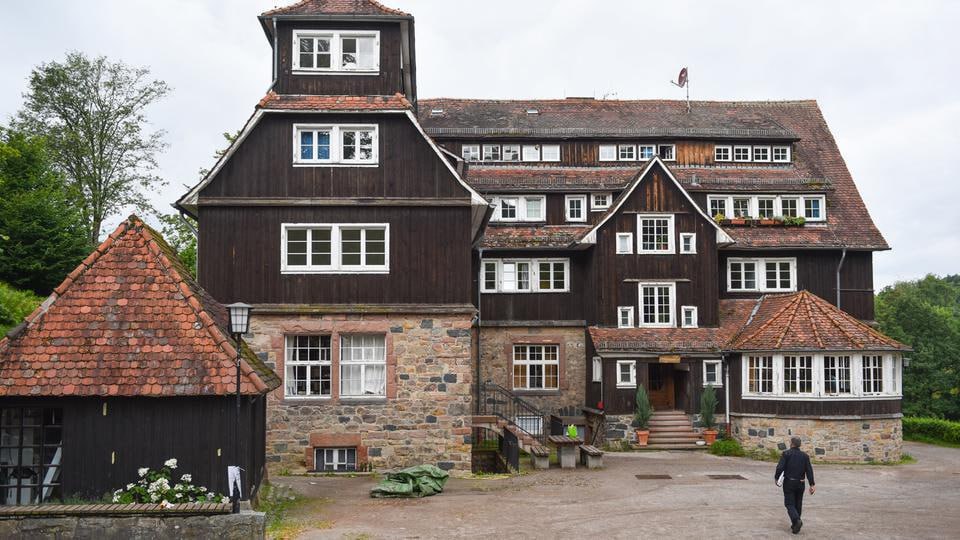
In the early 1970s, the West Berlin Youth Office supported Helmuth Kentler's idea: pedophiles were offered to take foster children under their guardianship. Probably every immigrant parent has heard horror stories about strict German parenting rules. Missing school is out of the question, otherwise the Schulamt (the School Office) will come and hand down a four-digit fine. You can't leave children at home alone, and too much scolding either – the Jugendamt (the Youth Welfare Office) will come and take the child. Strangely enough, this story happened in modern Germany. Helmut Kentler at that time was a respected educator and an expert in sex education and progressive pedagogy. In the beginning he proposed that children who were involved in street prostitution should be placed under the guardianship of pedophiles. He selected three men convicted of pedophilia. The idea was that such difficult children no one else could love. He said: “It was clear to me that the three men did so much for ‘their’ boy primarily because they had sexual relations with him.” For him, all of this was simply an experiment. And for the state — a social project. Since then Kentler acted not alone. Essentially, this is an incredible network of respected educators, social workers, employees of the Jugendamt and other people. Children were handed over to men convicted or suspected of pedophilia right in front of everyone’s eyes, under the guise of rehabilitative guardianship. Children were deliberately taken from Berlin's children's homes into private guardianship, into shared living houses (something like mini-boarding houses — several children under one roof with a caregiver) and to the Odenwald School. Officials at that moment simply turned a blind eye: alarming appeals from people reached the same workers and were quietly ignored. And only in the 1990s did cases of violence at the Odenwald School become public knowledge, but it was already too late. Studies shown, that by that time the network had already covered the entire country: from Berlin to Lower Saxony, from Göttingen to Tübingen. It included universities, churches, research institutes. Even after Kentler's death part of his supporters continued to work with youth, write expert opinions, shape norms. How many people were affected in total is still unknown. The investigation was initiated only in 2016, when two men who survived publicly shared their tragic story. But the scariest thing is that NO ONE was punished! Kentler himself died in 2008 long before the investigation, the same happened to several other criminals. Others remained free because the statute of limitations had expired, and others because they were respected people and the same respected people defended them. And the victims were offered some money, apparently the same “respectable” people pitched in three kopecks and continued to live their wonderful life without burdens. What do you think of examples of upbringing in a progressive country? #history #Ordnung photo: © picture-alliance/dpa